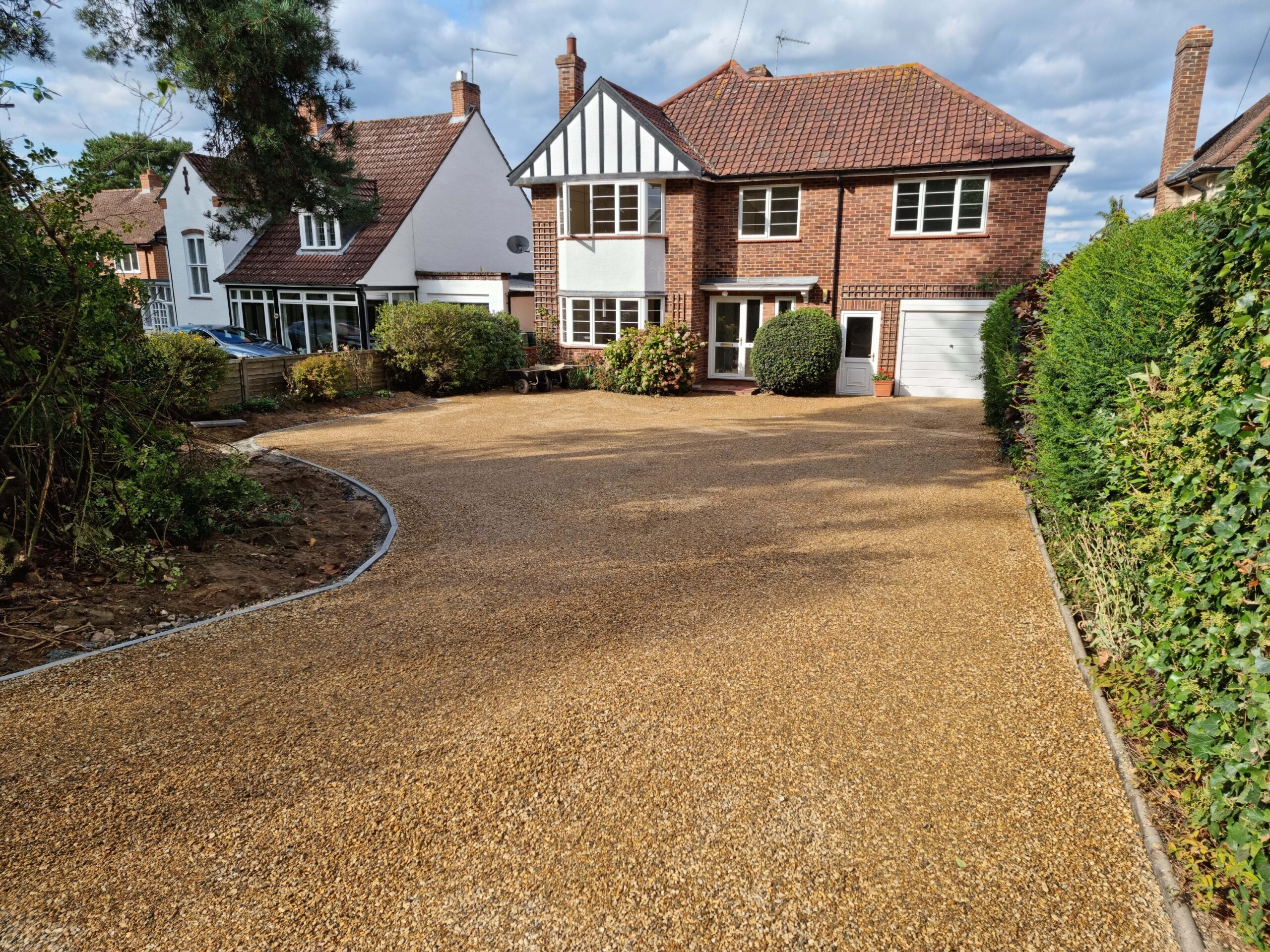
How to Prevent Loose Stones on Tar & Chip Driveways
Tar and chip driveways are a popular choice for homeowners looking for a durable and natural-looking surface. Their textured appearance, strong performance and low-maintenance qualities make them ideal for residential properties. However, one concern some homeowners have is the possibility of loose stones appearing on the surface over time. While a small amount of loose aggregate is normal after installation, excessive stone movement can usually be prevented with proper installation, maintenance and surface care.
For homeowners in Great Yarmouth, Norfolk, understanding how to maintain a tar and chip driveway properly helps preserve both its appearance and long-term durability.
Why Loose Stones Can Occur
Tar and chip driveways are created by applying hot bitumen followed by loose stone aggregate.
Some stone movement may happen because:
- Excess surface aggregate has not fully settled
- Heavy traffic is introduced too early after installation
- The driveway was not compacted correctly
- Age and weather exposure gradually weaken the bond
Professional installation plays a major role in minimising these issues.
Proper Groundwork Is Essential
A stable foundation is one of the most important factors in preventing loose stones.
- Strong sub-base preparation improves surface stability
- Proper drainage helps prevent movement beneath the driveway
- Even groundwork reduces stress across the finished surface
Without suitable preparation, the surface may deteriorate more quickly over time.
Correct Installation Techniques Matter
Professional installation ensures the aggregate bonds properly to the bitumen layer.
Important installation factors include:
- Applying the correct amount of bitumen
- Using appropriate stone sizes and materials
- Compacting the surface thoroughly
When completed correctly, the stones become securely embedded within the surface.
Allow the Surface Time to Settle
New tar and chip driveways require time to fully settle after installation.
- Avoid heavy traffic immediately after completion
- Limit sharp turning movements where possible
- Allow the surface to compact naturally during the curing period
A small amount of loose aggregate during the early stages is usually normal.
Regular Sweeping Helps Remove Excess Stones
Loose stones left sitting on the surface can contribute to additional movement.
- Light sweeping helps remove excess aggregate
- Prevents loose stones from spreading into surrounding areas
- Helps maintain a cleaner and more even surface appearance
Routine maintenance helps preserve the driveway’s condition over time.
Avoid Aggressive Pressure Washing
Improper cleaning methods can weaken the surface bond.
- High-pressure washing may dislodge embedded stones
- Excessive force can damage the bitumen layer
- Gentle cleaning methods are usually more suitable
Professional advice should always be followed when cleaning tar and chip surfaces.
Address Drainage Problems Early
Water can gradually weaken sections of the driveway if drainage is poor.
- Standing water affects surface stability
- Moisture may loosen aggregate over time
- Erosion can develop around weak areas
In Great Yarmouth, Norfolk, where driveways are regularly exposed to wet and coastal weather conditions, effective drainage is especially important for long-term performance.
Routine Inspections Help Prevent Larger Issues
Regular inspections allow minor surface problems to be identified early.
Check for:
- Areas with excessive stone loss
- Surface depressions or movement
- Drainage issues or pooling water
Early maintenance helps prevent more extensive deterioration later.
Why Professional Installation and Maintenance Matter
The long-term reliability of a tar and chip driveway depends heavily on proper installation and ongoing care.
Great Yarmouth Driveways provides expert tar and chip driveway installation and maintenance services in Great Yarmouth, Norfolk, helping homeowners maintain durable and professionally finished outdoor surfaces. Every project is completed with careful attention to groundwork, drainage and long-term surface performance.
Conclusion
Loose stones on tar and chip driveways can usually be minimised through proper installation, suitable aftercare and regular maintenance. Strong groundwork, correct compaction and good drainage all contribute to a longer-lasting and more stable surface.
For homeowners in Great Yarmouth, Norfolk, professionally installed tar and chip driveways provide a practical and attractive surfacing solution with excellent long-term durability. If your driveway requires maintenance, repairs or a new installation, Great Yarmouth Driveways can provide expert guidance and dependable services tailored to your property’s needs.
Call us on: 01493 807 282
Click here to find out more about Great Yarmouth Driveways
Click here to complete our contact form and see how we can help with your driveways.